Naive or Nieve: Which Spelling Is Correct? (With Examples)
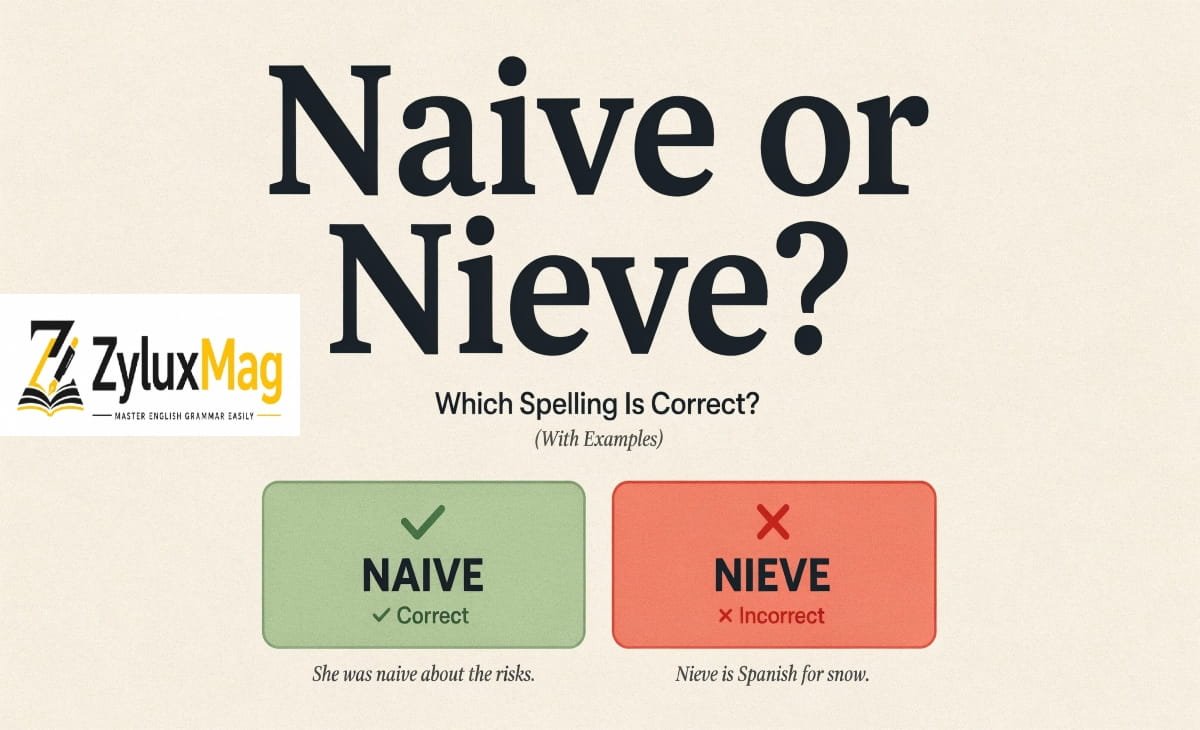
The correct English spelling is naive (or naïve, with the accent mark). “Nieve” is not an English word — it’s…
The correct English spelling is naive (or naïve, with the accent mark). “Nieve” is not an English word — it’s…
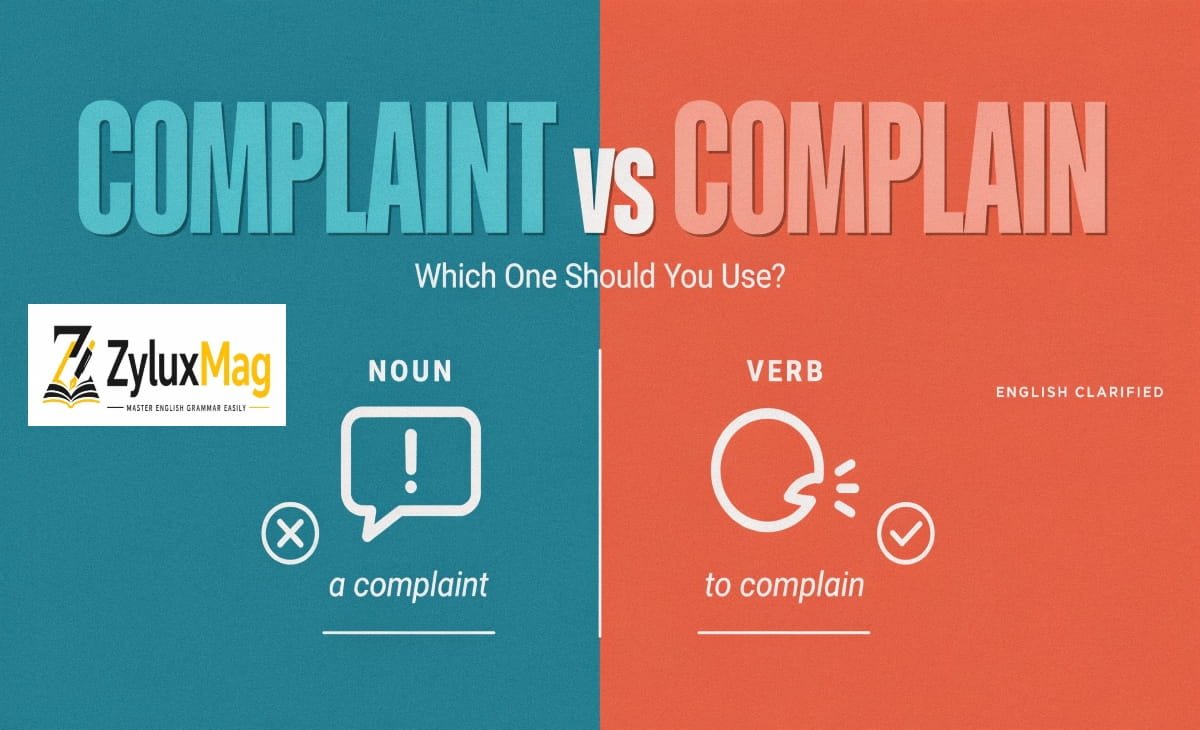
Complaint is a noun — a thing (a statement, report, or symptom of dissatisfaction). Complain is a verb — an…
Common alternatives to “rest in peace” include “rest easy,” “may they Other Ways to Say Rest in Peace,” “gone but…
Happy Easter is always written with a capital E on “Easter,” because it’s a proper noun naming a specific holiday…
Quick answer: Yes, “looking forward to seeing you” is correct. “Looking forward to see you” is not. The reason comes…
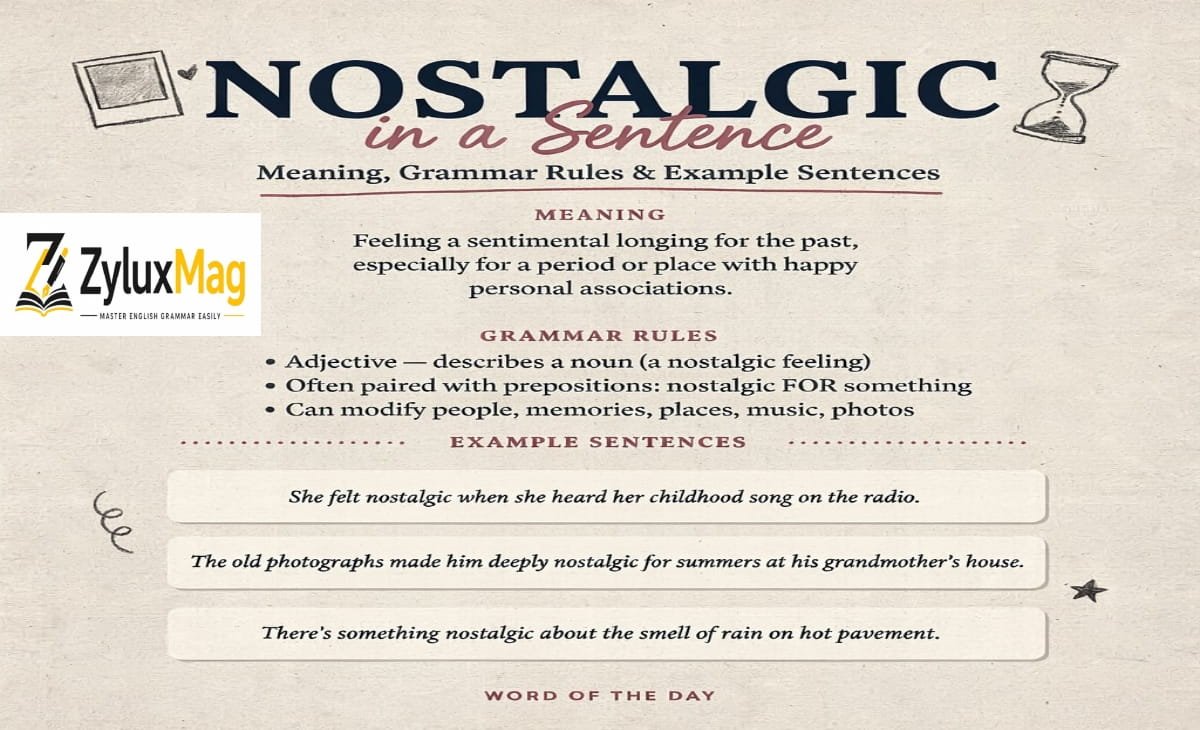
nostalgic is an adjective that describes a wistful, bittersweet longing for the past — happy memories tinged with a sense…
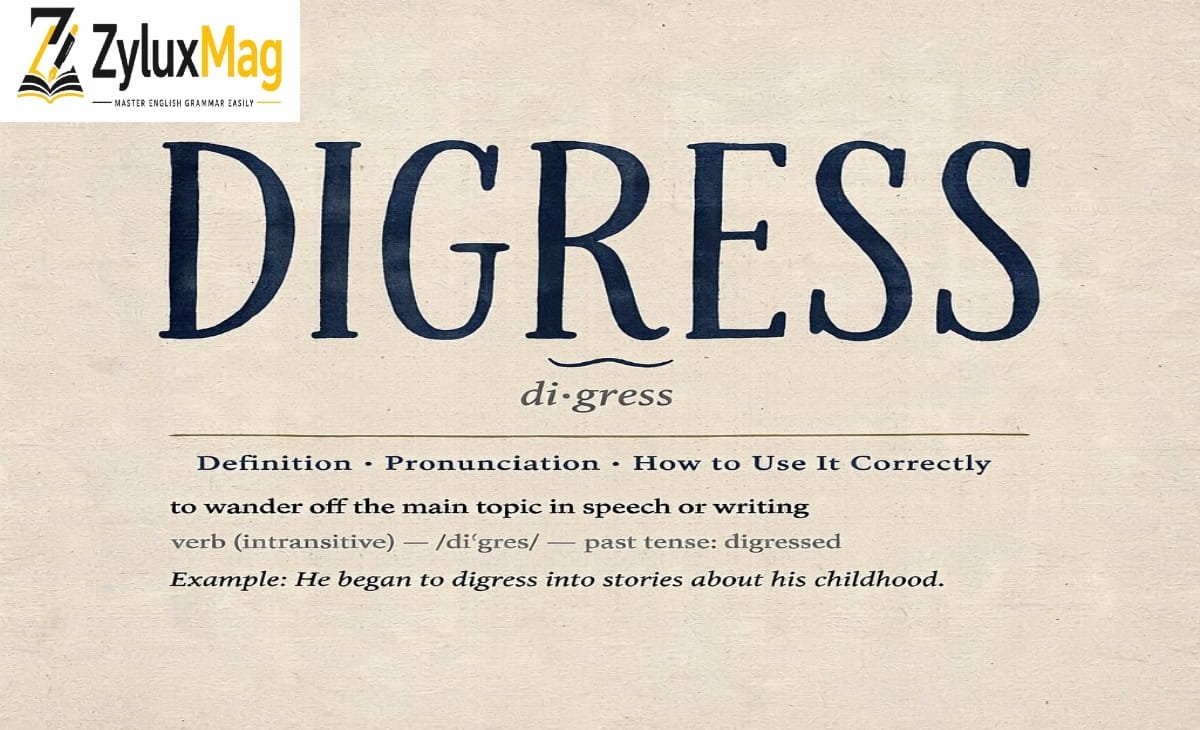
Digress means to move away from the main topic when speaking or writing, usually temporarily, before returning to it. It’s…
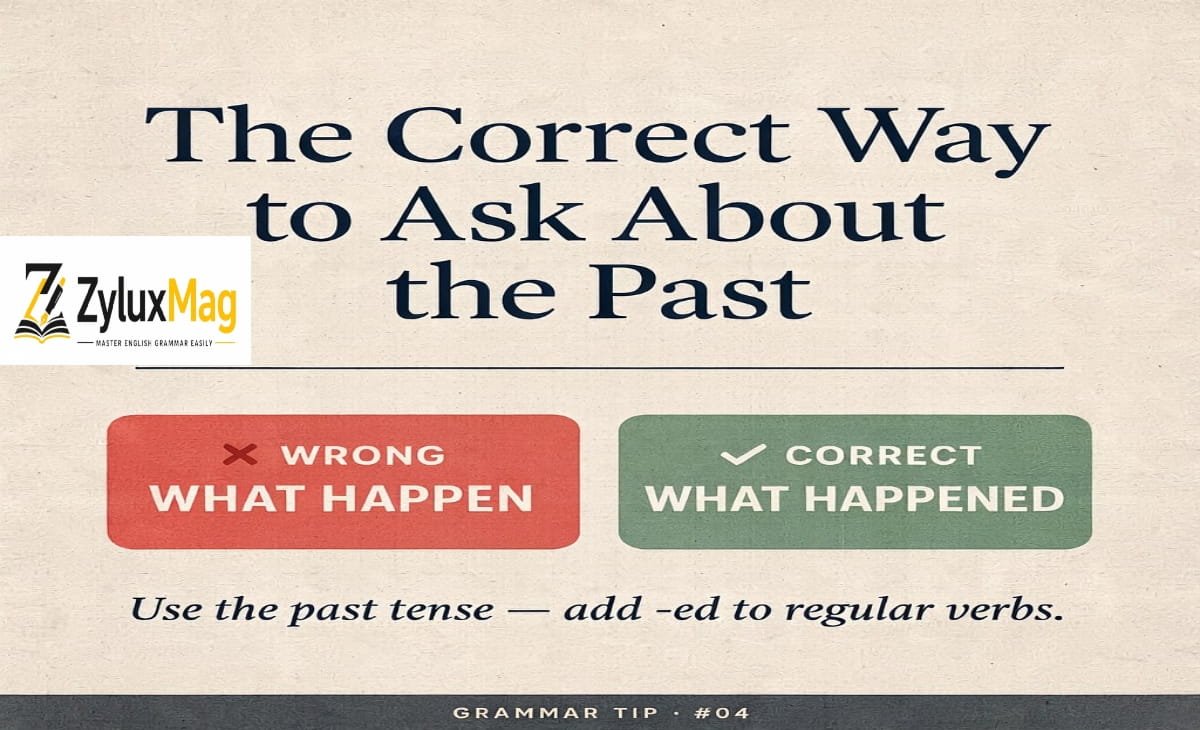
“What happened?” is correct when you’re asking about something that already occurred. “What happen” on its own is not standard…
Mark my words is an idiom that means “pay close attention to what I’m saying, because it will turn out…
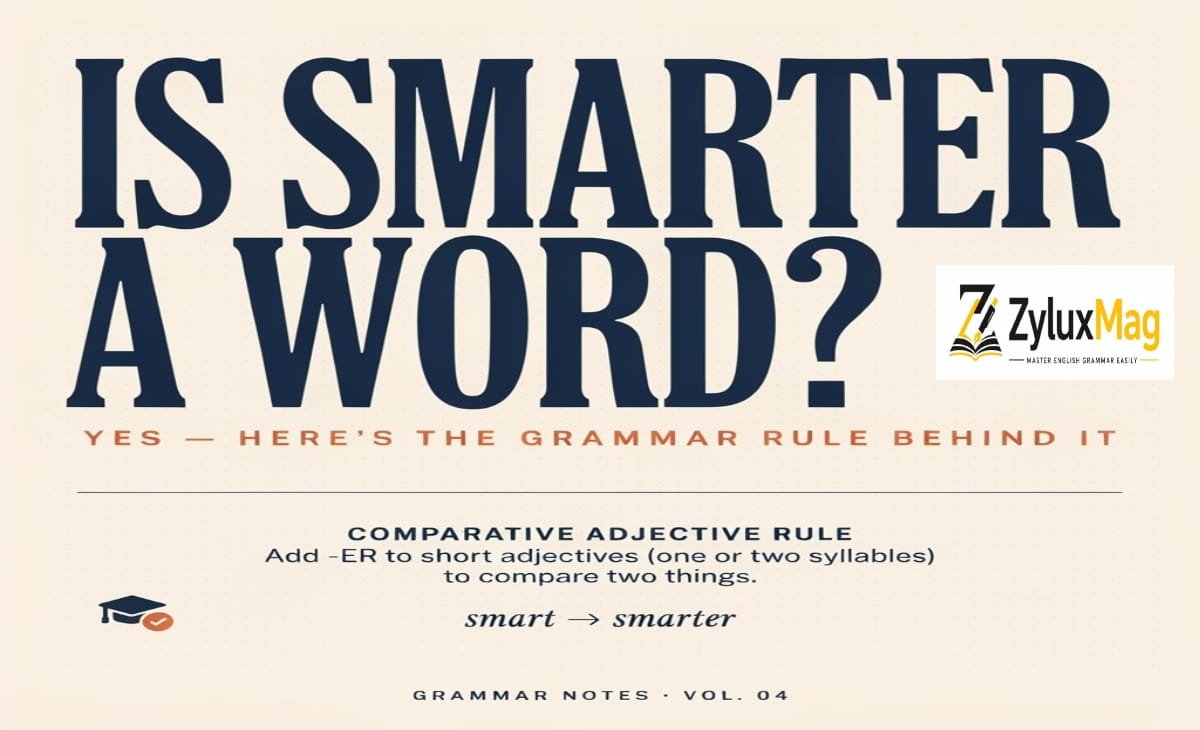
Yes, smarter is a word. It’s the standard comparative form of the adjective smart, listed in Merriam-Webster directly under the…