Buckle bunny. If you’ve spent any time in country music circles or know anyone who participates in rodeo events, you’ve likely heard this term before. Like many slang words, though, what it means and how to spell it are not entirely clear. Luckily for you, I’m here to clear it all up slang terms like hooplehead.
Buckle Bunny Meaning
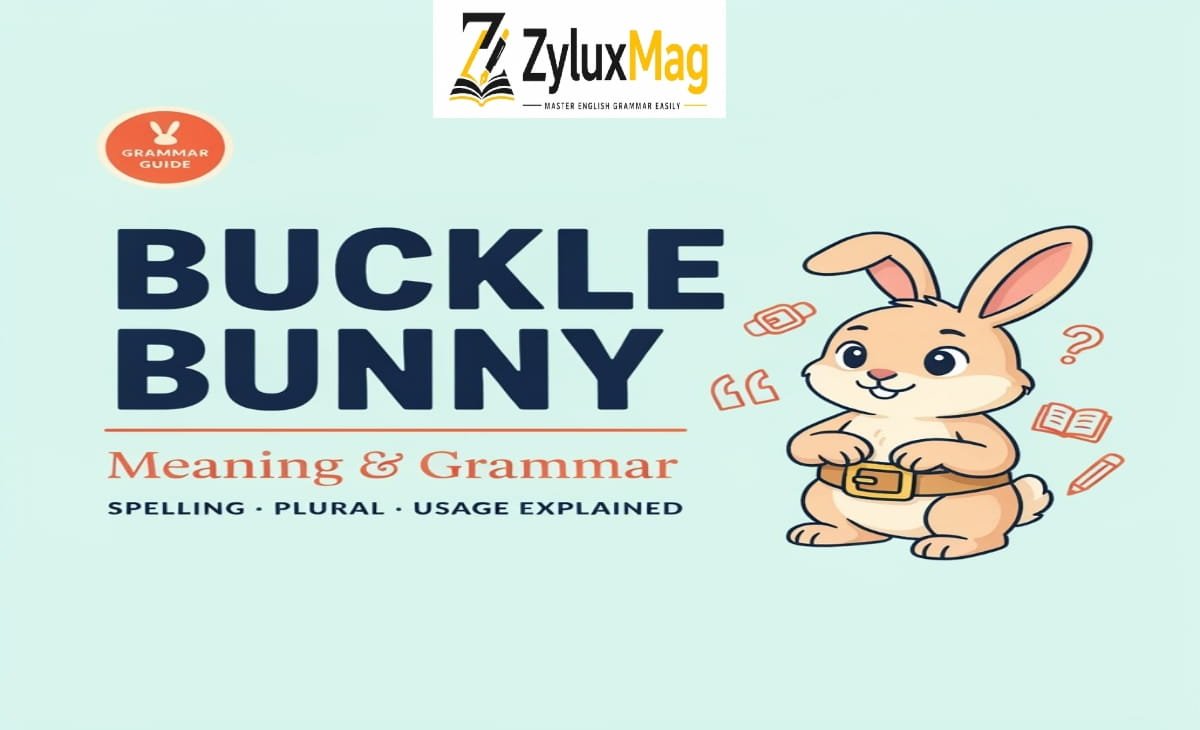
A buckle bunny is a woman who is into rodeo guys-more for the glitz and glamor (and association with fame) and the status than any true and vested interest in rodeo as a sport. This comes from the award of huge, engraved belt buckles to rodeo winners-an often enormous status symbol that often seems to carry more weight than the actual cash prize. This practice makes “buckle bunny” a very niche sort of word and, while it could also be used generally to refer to a “trend-chaser”, this isn’t its most appropriate usage. The plural, as you’ll learn below, is “buckle bunnies”.
What the word buckle bunny came from and the associated history of the word.
Champion riders at rodeos don’t receive trophies, they receive immense, custom-engraved belt buckles, which quickly became a huge status symbol within rodeo culture. From these large belts sprang the idea of the woman in attendance simply wanting some type of associated status; hence, the word buckle bunny, where a woman can claim some indirect status by aligning with successful rodeo riders through either marriage or dating.
Grammar You Need to Know
There are, as there always are, a few very important things you need to know.
* When referring to someone as a buckle bunny or to buckle bunnies, you should write it as two separate words: Buckle bunny and Buckle bunnies. Do NOT hyphenate Buckle bunny, write “Buckle-bunny,” or put it together as one word “bucklebunny.” Also keep it lowercase unless you are talking about a specific one’s individual status/name in relation to that phrase.
* Plural: This term isn’t something you might use quite frequently enough to wonder “buckle bunnies” or “buckle bunnys”. It’s “buckle bunnies.” This follows a standard English rule where you don’t add an ‘-s’ to part of a hyphenated term; if you can imagine your term is one-word, then “buckle bunny” would be “bucklebunny”, but since it’s not it takes the place of a regular English term like ‘child’ which would become ‘children.’ Hence, “bunny” becomes “bunnies.”
When Should You Use “Buckle Bunny”?
This term can be used as a slang term for someone “really into cowboy culture” or more specifically for a woman who specifically follows or dates rodeo riders, but you may even hear some women self-identify using the word as a way of describing their style (Buckle Bunny Style or Buckle Bunny Aesthetic). This term is generally regarded as slang and should be kept out of formal work contexts.
Is the Word Negative or Complimentary?
This can often depend on the context and, as an informal slang term, it usually means slightly negative things. While now it can be used for aesthetic reference by others to call a style. If you are writing this word, use with extreme care and with reference to context as the general term and its earlier definitions are almost always to indicate someone who simply has no interest in the events themselves.
##Common Mistakes When Using “Buckle Bunny”
* Pluralize the word wrongly by thinking “buckle bunnies” is wrong, saying “buckle-bunnies,” or saying “bucklebunny.”
* Overuse the term to describe general country style or people who appreciate it; “buckle bunny” has a specific meaning as relates to rodeo.
* Forget it is slang and use it in formal writing.
Related Slang Terms
This slang term falls into a small class of similarly formed words, where “bunny” implies a young woman attached to an individual or phenomenon from a popular group that appears in entertainment and sports industries:
* Puck bunny: A young female fan that favors an ice hockey team; this follows a similar pattern to Buckle bunny by referencing something that gives the associated partner the most glory-Puck and their specific sport
* Badge bunny: Any number of women attracted to law enforcement officers; similar to “buckle bunny” with its male dominance, a badge represents power-something that often draws females that wish to either hold or take part in that dominance through their companion.
About the Author
Faizan Babar writes about English grammar, vocabulary, and everyday language on ZyluxMag. He’s passionate about breaking down tricky words and slang terms into simple, practical rules that readers can actually use — drawing on real conversations, real mistakes, and real-world writing experience along the way.